What typical DIY can cover safely
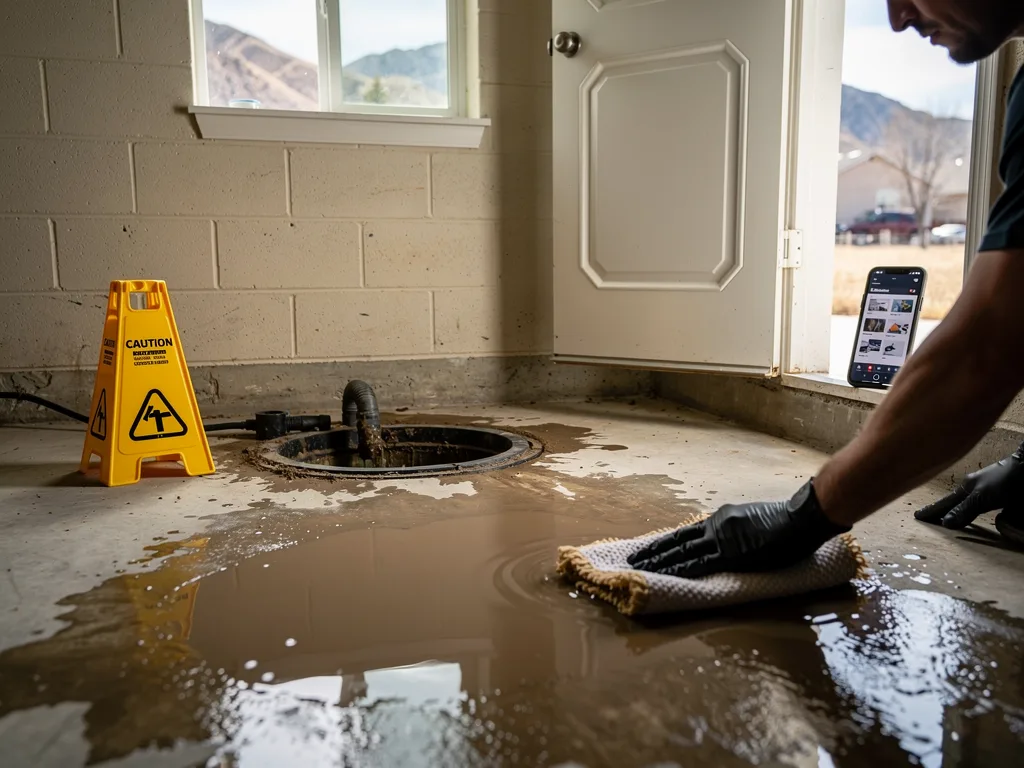
Small spills or minor dampness in a basement can sometimes be managed by a homeowner with proper precautions. In Salt Lake City, start by stopping the source if you can do it safely. Open windows for ventilation, wear gloves and a mask, and use absorbent towels to blot liquids. If the water is clean and the area is small, a careful cleanup with basic cleaning products may help reduce odor temporarily. But there’s more to it than wiping up and drying out.
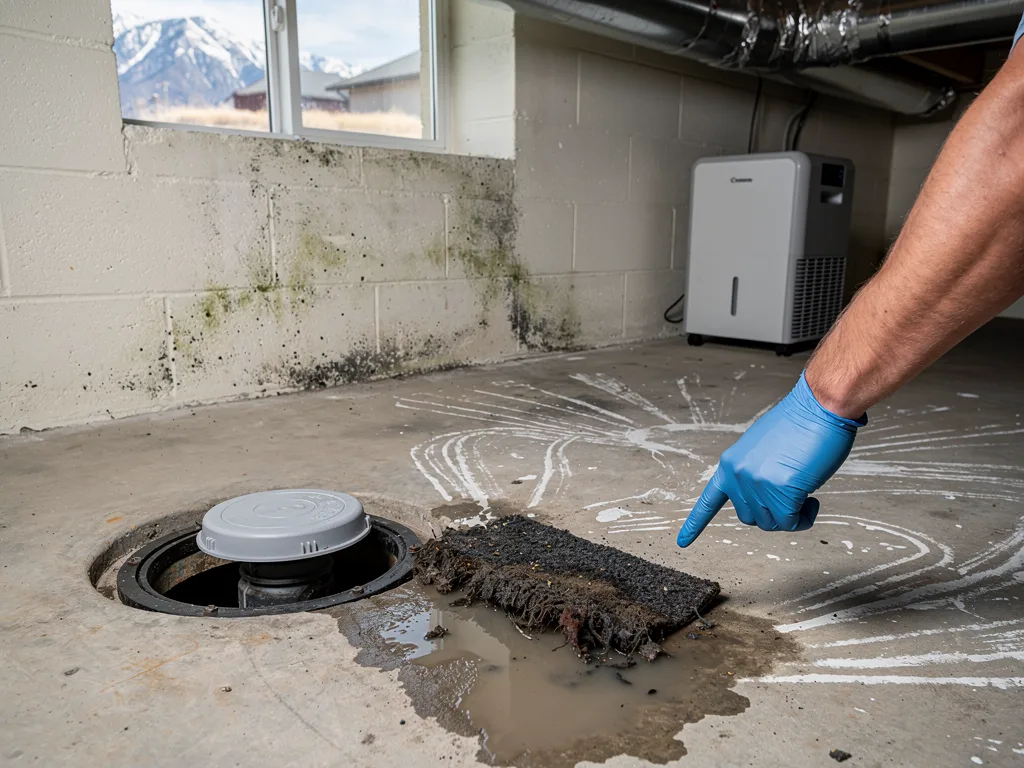
Always consider the extent of contamination. Sewage spills can spread beyond what you can see, especially in multi-story homes or areas with porous materials. If you’re unsure about the water’s origin or if the material soaked through into carpet padding or drywall, it’s time to call a restoration specialist.
When a pro should step in
Salt Lake City Sewage Cleanup is trained to handle containment and full restoration. A professional should be called if you notice any of the following: strong or persistent odor, visible staining or discoloration, moisture behind walls or under flooring, or if the spill involves wastewater in more than one room. If you’ve attempted a DIY cleanup and still smell sewage or see ongoing dampness, bring in a restoration specialist to assess the full scope and prevent secondary issues like mold growth.
Professional teams bring equipment and procedures that are not practical for a DIY approach. This includes moisture meters, controlled air filtration, and measures to prevent cross-contamination between rooms. In Salt Lake City, a pro team will outline a clear plan and provide an honest estimate of what needs to be done and why.
Make the call when uncertainty remains
If you’re not sure, err on the side of caution. A professional assessment can save time and minimize damage. Salt Lake City Sewage Cleanup offers practical, transparent next steps after a quick call or visit. We’ll describe what we see, what it means for your home, and how we would proceed.